1
Upload a street view
Use a wide, daylight photo taken from the sidewalk or curb that shows the house front, the entry, the driveway or walkway, and the existing planting beds.
Curb appeal AI
Curb appeal is the first impression a buyer, neighbor, or guest forms from the street. The strongest front yards frame the house and lead the eye to the front door, not away from it. AI Yard Planner lets you preview entry planting, path shape, lighting, and bed structure from a single street-facing photo, so you can compare directions before any plant is bought or any bed is dug.
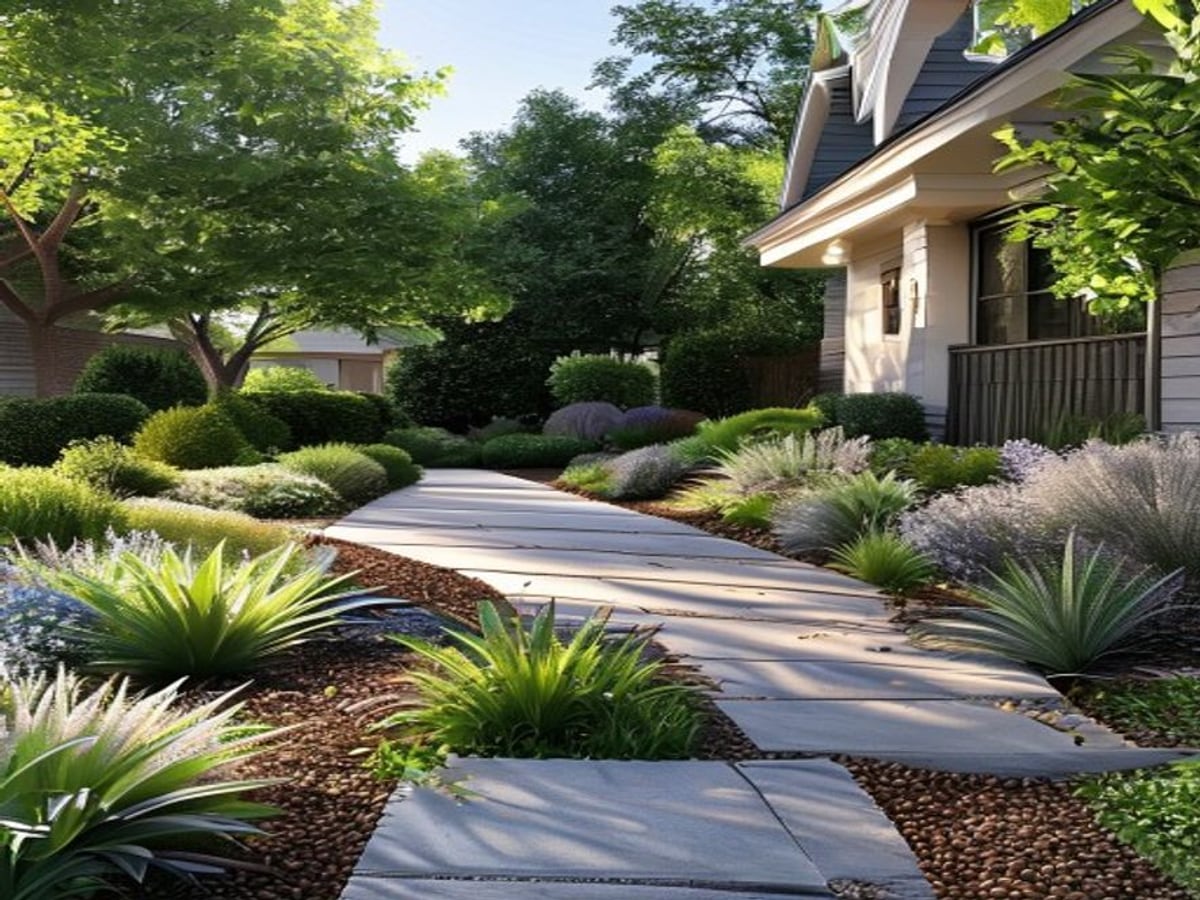
Curb appeal AI turns a street-view photo of your home into visual concepts that show how the front yard could look with cleaner bed edges, a clearer path, symmetrical foundation planting, and a brighter entry. It is designed for the highest-leverage moves: the things people notice from the curb in the first few seconds.
If you are preparing to list, the goal is fast, high-return, low-risk changes rather than a full redesign. Fresh mulch, crisp edging, repeated low-maintenance shrubs, and a well-lit, uncluttered entry usually read better in photos and in person than scattered ornaments or one-off specimen plants.
Every preview is a visual concept to guide decisions and nursery shopping. It is not a construction drawing, a planting plan, or a permit document. Confirm plant choices, drainage, and any hardscape work with local sources before you build.
How it works
Use a wide, daylight photo taken from the sidewalk or curb that shows the house front, the entry, the driveway or walkway, and the existing planting beds.
Choose your aim, such as listing-ready, low-maintenance, or formal symmetry, and a planting direction like native, evergreen-structured, or drought-tolerant.
Review side-by-side concepts. Look for whether the entry stands out, windows and the address stay visible, and the planting frames the facade.
Bring the concept to a nursery or a landscaper to confirm plant suitability, mature sizes, drainage, and cost for your specific yard and climate.
From the street, the eye should travel to the front door. Repeated, symmetrical planting on either side of the path and a clear sightline to the entry read as intentional and cared-for, which is what buyers respond to.
Before any redesign, the cheapest wins are usually mulch, sharp bed edges, a power-washed path, and a tidy mailbox or house-number area. AI lets you confirm those moves look balanced before you spend a weekend on them.
Listing season favors planting that still looks good months later. Evergreen shrubs and compact, slow-growing varieties hold their shape and keep curb appeal through showings without constant pruning or replanting.
What changes, what stays
Before you build
Curb appeal that lasts depends on plants that survive your winters and summers. Check your USDA Plant Hardiness Zone before buying foundation shrubs; a variety that thrives in zone 8 may not overwinter in zone 5. Choosing the right zone-appropriate evergreens keeps the entry looking full year-round.
Drought-tolerant (xeriscape) and regional native plants often need less water, less fertilizer, and less replacement than thirsty annuals, and natives support local pollinators. For a listing, lower-maintenance beds also signal lower upkeep to buyers. Verify mature spread so shrubs do not outgrow the bed and block windows.
Front beds sit against the house, so grading matters: soil should slope away from the foundation, and beds should not trap water near the wall. Mulch improves moisture retention but gravel or permeable surfaces drain faster. Keep large-rooted plants away from the foundation, sidewalk, and any utility lines.
Front-yard changes are the most visible to an HOA and to city setback rules; check before moving a path, removing a tree, or adding hardscape. As a rough, region-dependent guide, refreshing mulch and edging is a low-cost weekend project, while a new walkway or lighting circuit runs much higher and may need a permit or a licensed installer.
What to test
AI Yard Planner is strongest when it helps you compare visual directions. Before building, check climate, utilities, drainage, grading, permits, and plant availability.
Trusted references
Independent sources worth reading before you commit to plants, grading, or materials:
Questions
It can create visual concepts that help you compare directions for the front yard, such as entry planting, path shape, and lighting. You still need local checks for drainage, grading, rules, and plant suitability before building.
Yes. It is well suited to listing prep, where you want fast, high-return changes. Preview low-maintenance, symmetrical foundation planting and a clear, well-lit entry so the front reads well in listing photos and at showings.
Use a wide daylight photo from the curb or sidewalk that includes the house front, the entry, the driveway or walkway, and existing planting. A straight-on or slightly angled street view gives the clearest concept.
Yes. Add a note to keep the walkway and driveway, and the concept will focus on planting, mulch, lighting, or bed shape around them instead of changing the hardscape footprint.
No. Each preview is a visual concept to guide decisions, not a construction drawing, planting plan, or permit document. Confirm plants, drainage, and any hardscape with local pros before you build.
Keep exploring
Plan the whole front yard, beyond the street-facing curb view.
Lay out planting beds and borders with a clearer structure.
Turn any outdoor photo into a comparable design concept.
Try outdoor concepts without committing to a full project.
See how the planner compares for outdoor design work.
Browse real photo-to-concept results across yards.
Check plans before you generate more front yard concepts.
AI Yard Planner